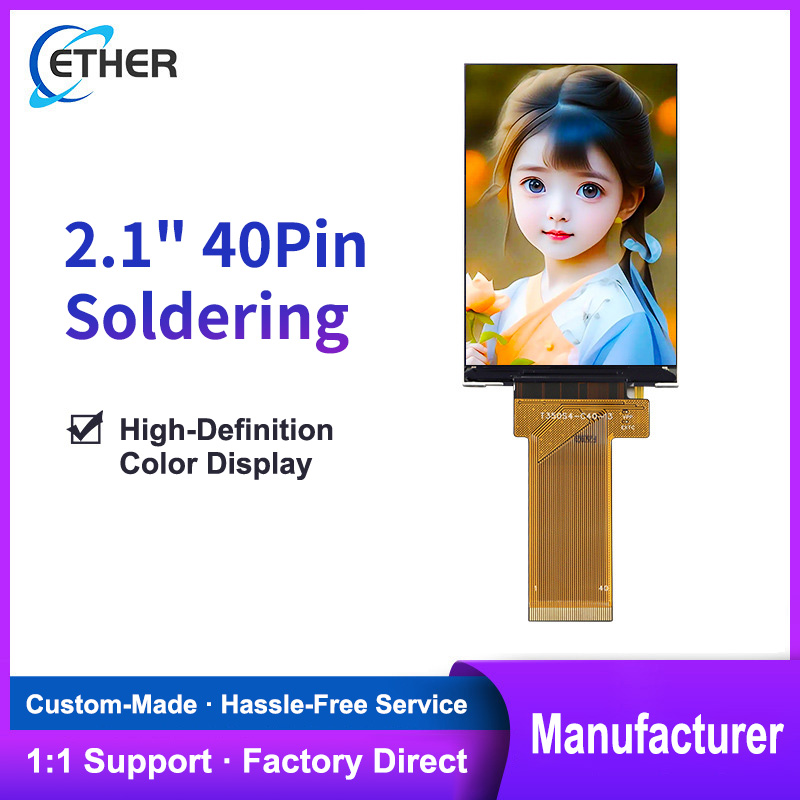
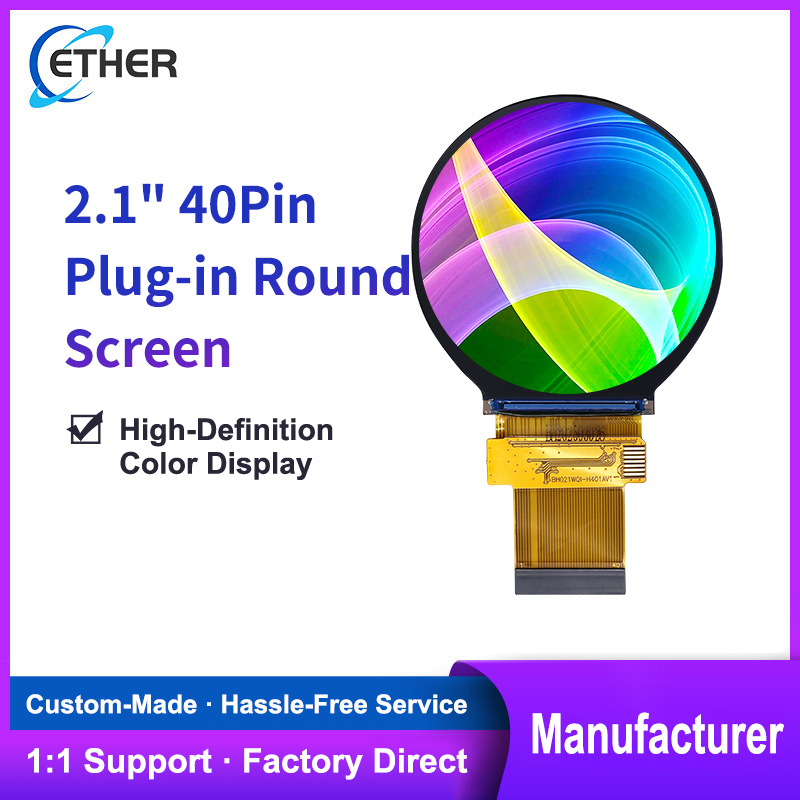
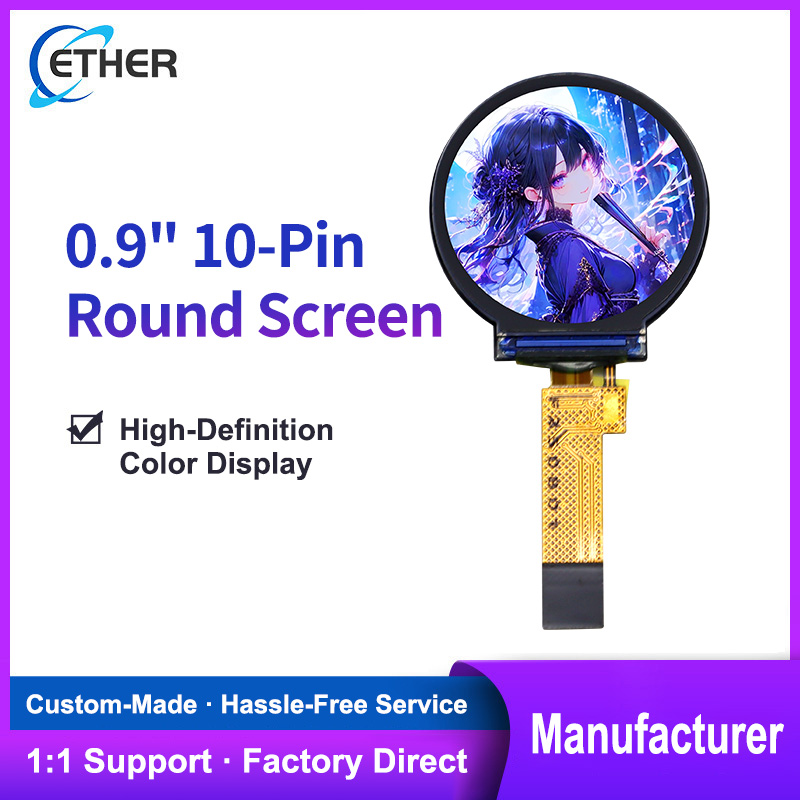
TFT-LCDs: Typically use COG (Chip-on-Glass) or COF (Chip-on-Flex) bonding standards. OLED Hybrids: Incorporate extra PMIC channels for pixel current control. Mini-LED Backlights: Have local dimming drivers with 1000+ zones. Touch Integration: Comes with embedded touch controllers (e.g., mutual capacitance sensing).
Get Best Price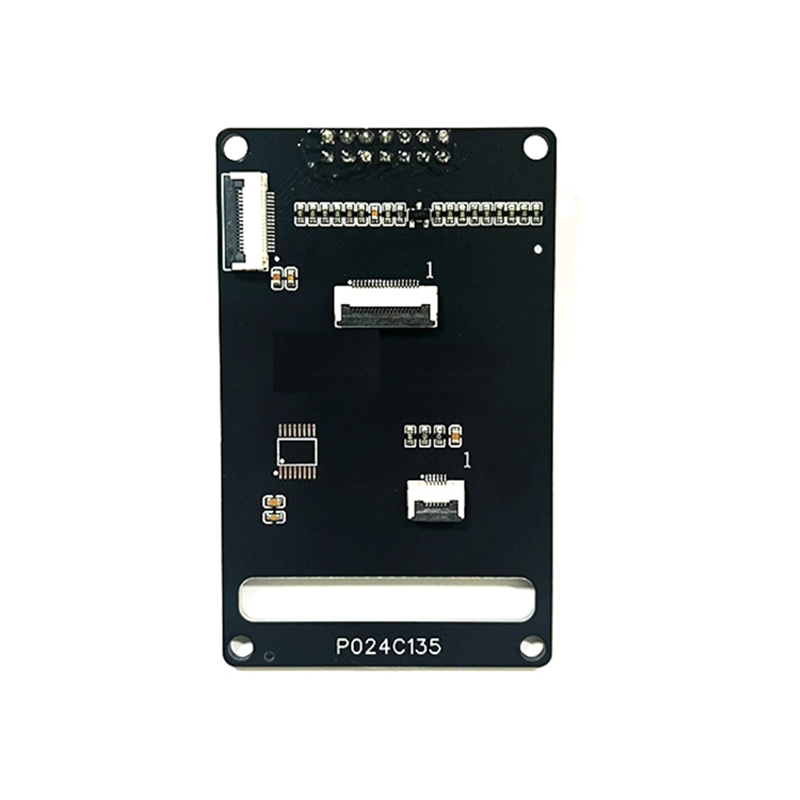
Signal Processing & Driving: Converts low-voltage digital video signals (e.g., via RGB, LVDS, MIPI DSI interfaces) into the complex timing and voltage waveforms needed to activate individual pixels on the LCD glass. Power Management: Generates and regulates the various specific voltage levels required by the LCD panel (logic power, gate/source driver voltages) and often the backlight (LED driver). Timing Control: Generates critical clock signals (Hsync, Vsync, Dot Clock) to synchronize the row-by-row, pixel-by-pixel updating of the display.
Get Best Price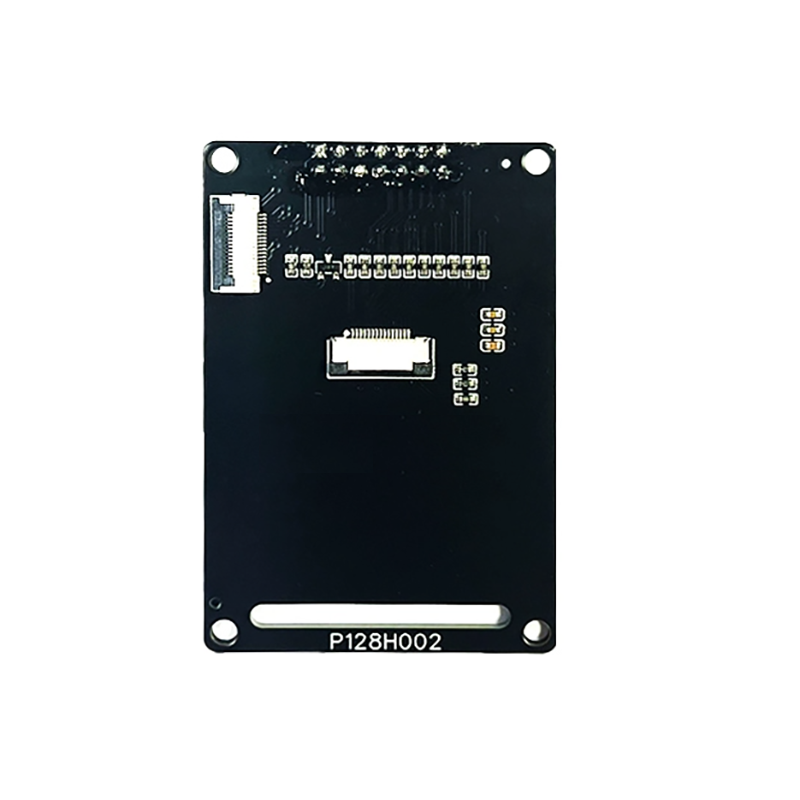
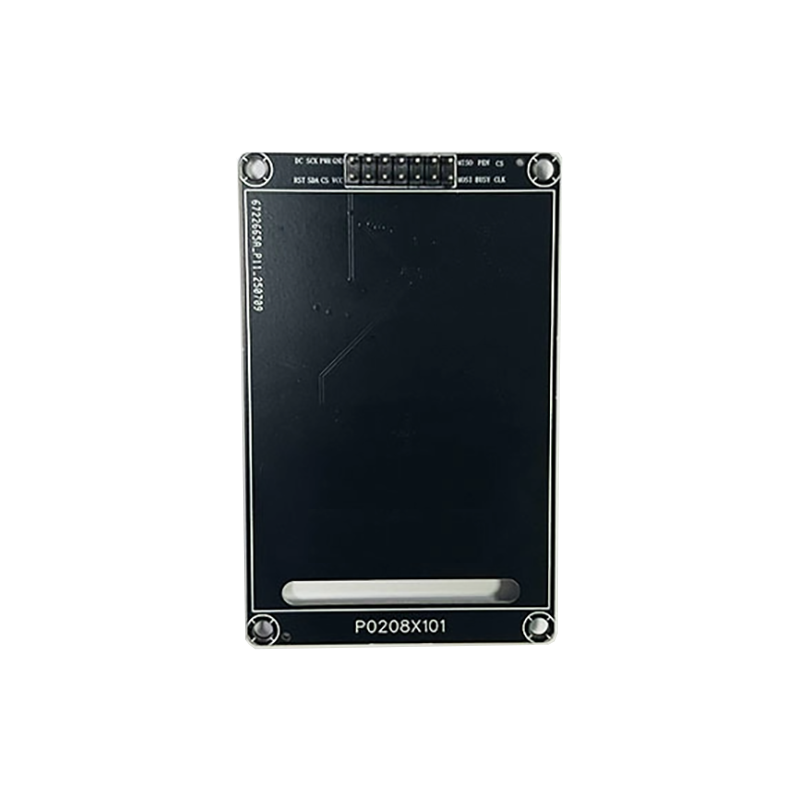
LCD Module PCB or the Printed Circuit Board of an LCD module is the vital electronic circuit board inside the Liquid Crystal Display that controls the LCD panel. It basically serves as the "brain" or the "middleman" connecting the bare LCD glass panel and the main device system e.g., a computer, phone, or microcontroller.
Get Best Price